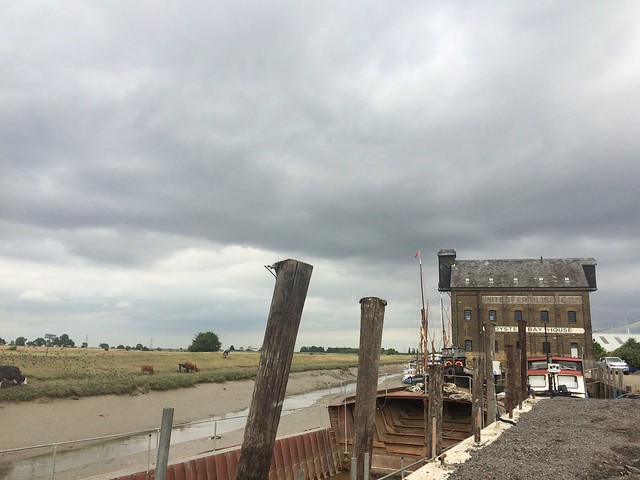
I’ve caught up with blogging about the last seven years of my European adventures.
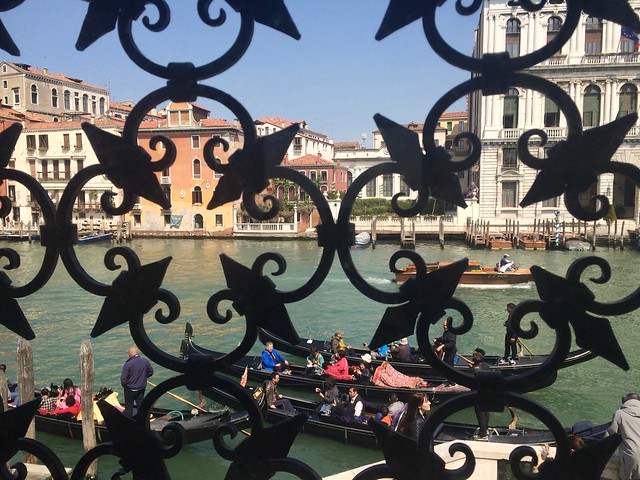
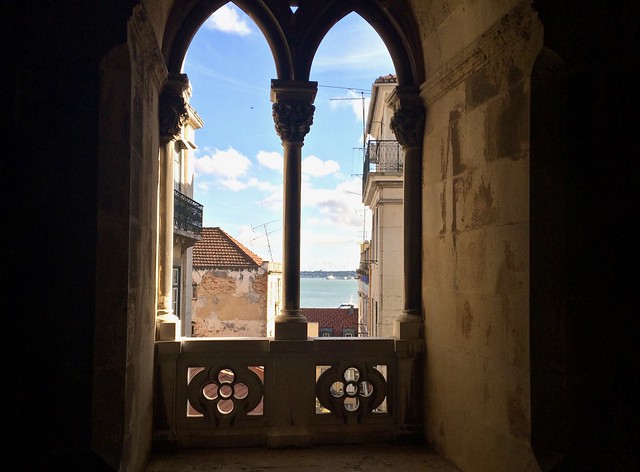
I’ve been catching up with the blogs on my website, sadly neglected for over a year, but now back in action. In fact, I’ve neglected it for longer than that, considering I hadn’t posted anything about my foreign travels since 2015, when I went on two trips, to Italy https://wolfiewolfgang.com/it-was-all-mistake-my-three-inspiring/ and to Portugal https://wolfiewolfgang.com/my-time-in-lisbon-portugal-was-pure/ During…

Back to Lahti in September 2023
It was like coming home when I looked out of the window of the apartment in Lahti, just as it felt like leaving home when I said goodbye to the cottage in Virtaa, near the little town of Sysmä, after a week’s break in Finnish rural paradise (see previous blog https://wolfiewolfgang.com/away-from-it-all-at-the-centre-of-all-things-in-rural-finland/). I’m a bit like…

Away from it all at the centre of all things in rural Finland.
It is early September in 2023, I am sitting in a rocking chair in a cottage, a converted 19th century log house, in a little village called Virtaa, 7.7 kilometres from a small town called Sysmä. The cottage is in the grounds of an old manor house, Virtaan Kartano, owned by Juhani and Tiina Stjernvall….

I’m a Berliner now
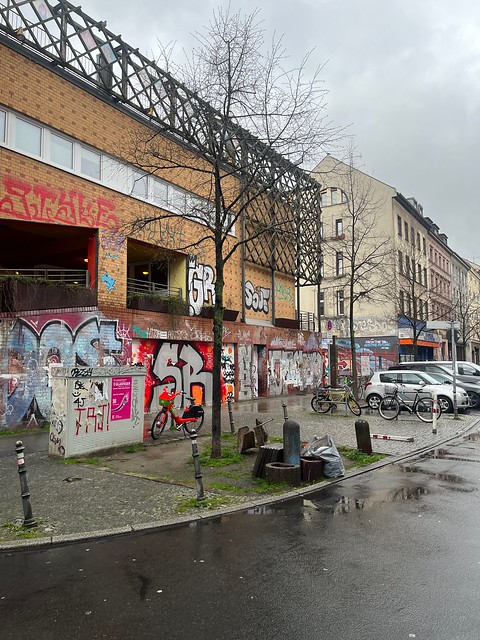
I was in Germany in April 2023, I’d been to Leipzig for the Bach 300 festival before catching a train for ten great days in Berlin. A city I last visited in the late 1990s, just a few years after Germany’s reunification and the city was still like a building construction site. Then it was…

An Easter Meeting in Leipzig with JS Bach – 300 years on.
Even people who don’t think they like classical music know and even like at least some of the music of Johann Sebastian Bach (1685 – 1750). Those who love classical music are mostly in consensus that he was probably the greatest of all the classical composers. I certainly feel that he stands tall not just…

Trying to be the best man in Georgia
I was checked in at the Old Metekhi Hotel over-looking the Mtkvari River in Tbilisi, Georgia , on 13th September 2022, after a booking that had been made in 2019, long before Covid changed everyone’s plans. I was here to be the best man at one of my oldest friend’s wedding, a wedding that had…

Day Trip to Tallinn in Estonia
On the 7th September 2022, during the second week of my trip to Finland, I got a ferry across the Gulf of Finland, in the Baltic Sea, from Helsinki to Tallinn, the capital of the Republic of Estonia. From one country bordering Russia to another, six months after Russia invaded Ukraine, another of its ex-Soviet…

Ainola, Finland – Jean and Aino Sibelius’ place.
I was in Finland in August and September 2022 and, when I was staying in Helsinki, it was relatively easy to get a train for the 24 mile journey to a place I had read about often and wondered what it would really be like there. I mean Ainola – the home of Jean Sibelius…

A week in Helsinki – homely art nouveau city by the water.
In September 2022, after a wonderful time at the Sibelius Festival in Lahti, I stayed on in Finland for another week and moved to Helsinki, a place that everyone I know who has been there to told me that I would love it. I did. I love the way it manages to be a capital…

Flying to Lahti in Finland for Sibelius
My first sighting of Finland, land of lakes, forests, saunas and music, seen from the air on a scheduled flight to Helsinki. It all started six months earlier, in the Runaway Cafe on platform two at Lewes Station, UK, my home town. I am not talking about my journey to catch the plane to Finland….

Tropea – taking it easy in Calabria
This was in June 2022, my first foreign trip after Covid decided to keep us all home for a couple of years. I had been going on holiday to Italy annually for ten years. I love the place, the culture and the language. Cerco di fare uno sforza per parlare italiano ogni volta che posso….

Pompeii lives on after the destruction
I spent a week in Naples in January 2020, and on a sunny winter’s day, I took the train to Pompeii, the ancient Roman city that was destroyed by a cataclysmic eruption of the volcanic mountain of Vesuvius in AD 79 The eruption lasted for two days and killed at least 1,150 of the inhabitants…

Back in Naples – weeks before Covid -soon we were all told to stay home.
On the 6th January 2020 I returned to Naples not realising it was going to be my last foreign journey anywhere for two years. On 31st January two Chinese tourists in Rome were tested positive for the Covid virus and the Italian government declared a state of emergency. The first case of Covid was documented…

Milan – city of fashion, music and art, even in the rain.
In December 2019, I spent a week in Milan. It was raining, no surprise there for this part of Italy during December. It was wet but achingly beautiful. As a fashion-shopping mecca internationally, not even the rain could dampen its elegance and style – especially as the rain appeared to be here just to highlight…

Going to Naples and Sorrento – on an Italian opera trail.
In September 2017, when I was looking at Mount Vesuvius from Sorrento, across the Bay of Naples, I thought of Pliny the Younger (born 61 AD), as you do, who wrote a detailed description of the catastrophic eruption of the volcano (79 AD) that killed his uncle, the great Roman naturalist, Pliny the Elder, who…

On the Amalfi Coast
I’m looking back at some of the photographs I have taken on my Italian holidays over recent years for blogs that I am only just getting down to now. In the summer of 2017, the year before I went to Puglia (see previous blogs), I spent two weeks in a tiny fishing village of Marina…

On the road from Polignano to Matera, via Alberobello
Nicola, or simply, Nic, was my effervescent driver and guide for a day trip from Polignano across southern Puglia in June 2018 and, as well as being fun, he was informative and good company. The idea was to head to two famous towns, both beautiful and also, in their own ways, unique. Everyone I met…

Some other towns on my journey through Puglia in Southern Italy
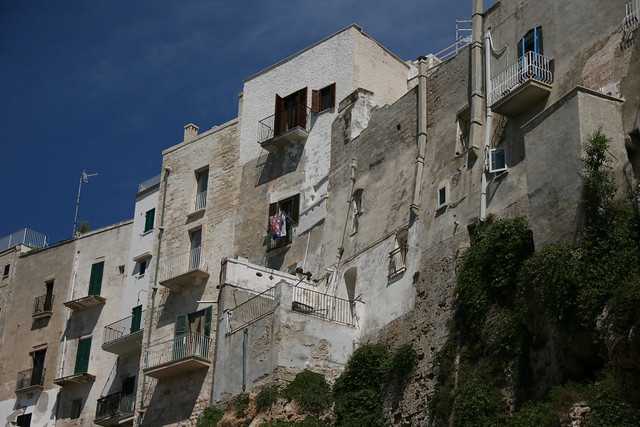
I was based in Polignano in Puglia, South East Italy, for two weeks in June 2018, see previous blog, and, from there, I could travel to a number of other interesting Pugliese town and cities. Lecce – Baroque or not. on a particularly hot day, I travelled to the city of Lecce, famous for its…

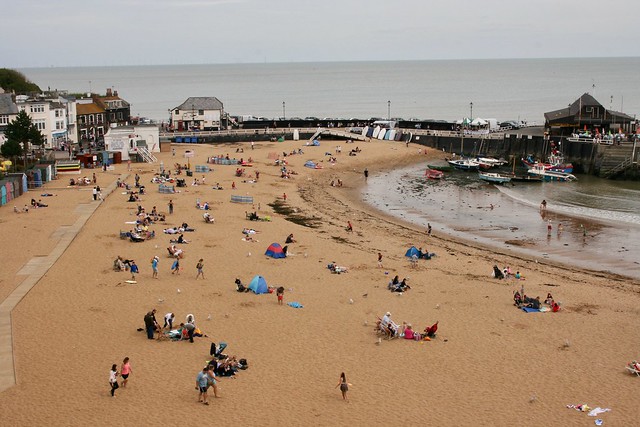
Two weeks in Puglia : Polignano a Mare
I take too many photographs, I know. I have too many of them on my computer these days too and, during the last ten years, I have fallen behind in publishing the photographs I have taken on my foreign travels during what has been for me quite a turbulent time. I have finally got round…

A new Fibonacci poem inspired by the art of a friend.
Fight by Nikola Stanković I first worked with my friend, the Serbian artist Nikola Stanković, in 2018, when I opened a virtual art gallery, Glinka Gallery, in the virtual world of Second Life: http://maps.secondlife.com/secondlife/Seaforth/85/198/29 Nikola Stanković’s outstanding paintings formed our first exhibition there, where I was impressed by the variety of techniques he uses, from…

An extraordinary novel by a shocking man.
Tony, a French friend, recently sent me an illustrated French novel by a novelist that I was embarrassed to admit that I had never heard of, Louis-Ferdinand Céline (1894 – 1961). I googled him, as you do, and discovered that he is not only regarded as one of the greatest French novelists of the 20th…

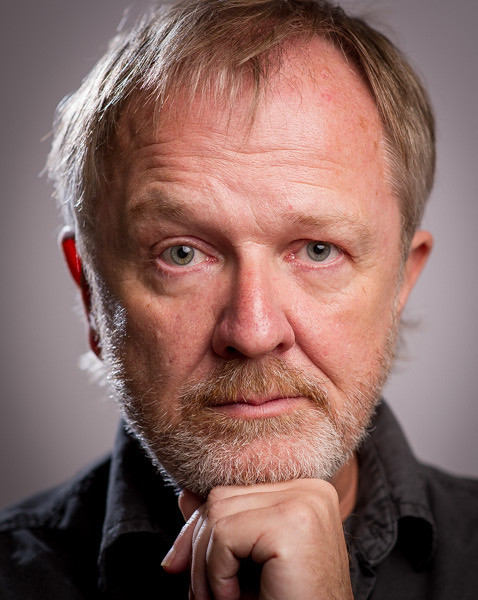
I have a new photographic portrait
I’m very pleased with this portrait taken just before Christmas by the excellent Brighton photographer David Myers. He had a vision and pursued it with real energy and enthusiasm. So much so that I went from self-conscious man waiting to be shot to the person you see here. David said he wanted to capture a…

Staying in with my laptop
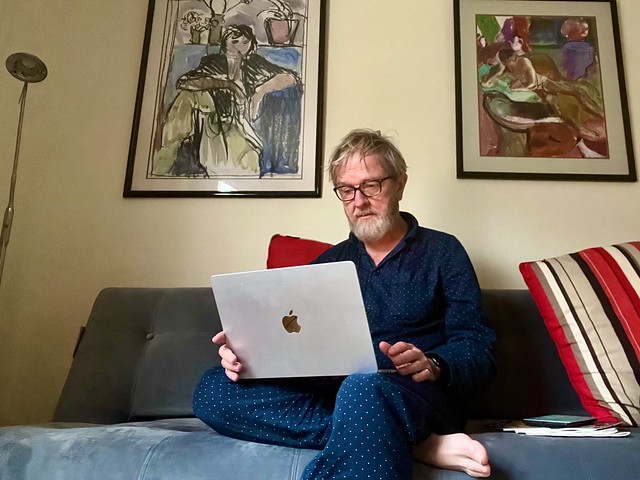
I bought my first laptop last year as a luxurious add-on to the desktop computer that sits in the office room where I spend most of my writing days here at home in Lewes, UK. I suppose I should confess that I have been envious of all those lucky people that I’ve seen over the…

My thanks to Acumen for publishing my poem about short-sightedness
I was, as they used to say in Manchester, dead chuffed to have one of my poems published in the latest edition of the distinguished British literary journal, Acumen. The poem was a remembered moment, an epiphany, in fact, when, at the age of around eleven, I had my first pair of glasses to correct…

100 years in The Waste Land
T.S. Eliot’s masterpiece is 100 years old this year and I am preparing to read the complete poem online in the virtual world known as Secondlife to mark the centenary of its publication. Yes, virtual worlds really do support writers and writing, even more importantly, we get an international audience to poetry events there which…

Ten years on – my life in two photographs
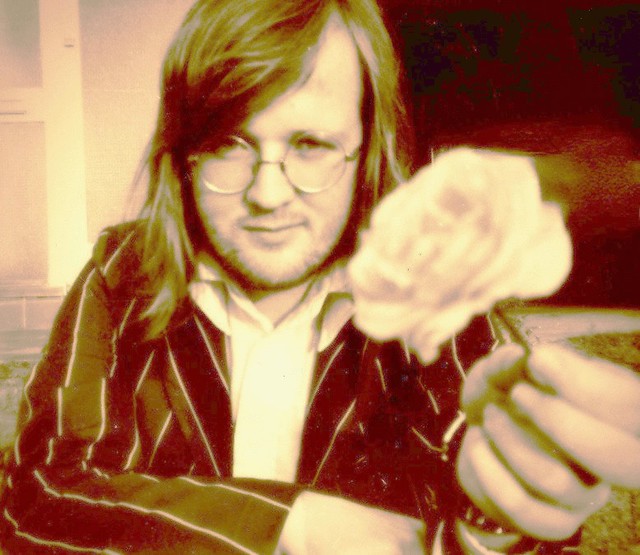
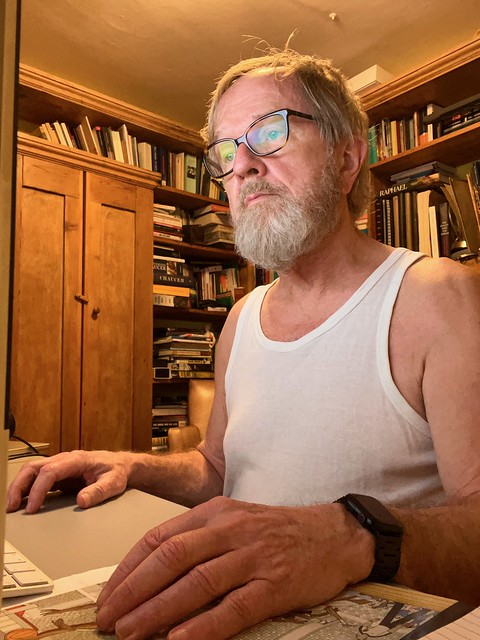
Me in October 2011 (left) and then in October 2021 (right) photographs by David Stacey The first portrait photograph of me was honest, I thought, no frills, just me as I was that day. sitting in front of the Georgian fireplace in my Lewes home. It was as true an image as photography can deliver….

Have we done enough?
I am thinking about the women and girls of Afghanistan. Was this really the best the world could have done for them? These twenty years of corrupt and ineffectual Afghan governments seemed better than the terrible Taliban regime that proceeded them, and there was some hope that international assistance, not just guns and soldiers, could…

Coming out of my cage
I have been reluctant to post my blogs over the last few months of lockdown and its aftermath here in Lewes, UK. I didn’t feel I had much to add to the millions of comments about the pandemic over the last eighteen months as I am convinced that no one would be interested in what…

Welcome to my website where I publish regular blogs about subjects that interest me, concern me, or are just about my work as a writer.
As well as the blogs there are also photographs and short videos mostly inspired by my poetry or just because I want to share them.
I am Colin Bell, an Anglo-Irish European citizen based in the UK. I am a novelist and poet, previously a TV producer-director of arts programmes for British, American, German and Japanese broadcasters. I am also known as the blogger Wolfie Wolfgang.
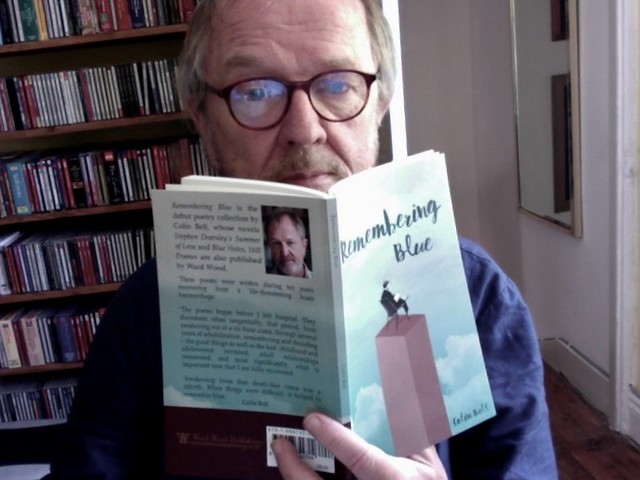
My two novels are Stephen Dearsley’s Summer Of Love (Ward Wood Publishing, 2013) and Blue Notes, Still Frames (Ward Wood Publishing, 2017). They are both available in paperback or as Kindle editions. My debut poetry collection, Remembering Blue (Ward Wood Publishing 2019) is now available. My poetry has been published in various journals and anthologies in the UK and the USA.

Remembering Blue is the debut poetry collection by Colin Bell, whose novels Stephen Dearsley’s Summer of Love and Blue Notes, Still Frames are also published by Ward Wood.
‘These poems were written during ten years recovering from a life-threatening brain haemorrhage.
‘The poems began before I left hospital. They document, often tangentially, that period, from awakening out of a six-hour coma, through several years of rehabilitation, remembering and decoding – the good things as well as the bad: childhood and adolescence revisited, adult relationships reassessed, and most significantly, what is important now that I am fully recovered.
‘Awakening from that death-like coma was a rebirth. When things were difficult, it helped to remember blue.’
– Colin Bell

It’s Brighton in 1994 Busker Joe lives on the beach with his flute and his troubled Goth girlfriend, Victoria, who’s a singer. He borrows a bath towel for her from Rachel and Alan, a prosperous young couple from the rapidly growing world of computers. The meeting will change all their lives…and other lives too.
There’s Harry, a beach bum drummer; Nico, a transient American who takes revealing photographs of passers-by; Kanti and Diep, mysterious artist twins from Nepal; Lionel and John who reveal more than their bodies on the nudist beach; and pub landladies Jacqueline and Rosemary who top up their income by dabbling in the sex trade.
Joe is always there, somewhere, weaving more than melodies with his flute.
– Colin Bell

It’s 1967 and the start of the Summer of Love. In Brighton, Stephen Dearsley is tempted and intimidated by the way his generation is casting off traditional ways of dress along with the old ways of thinking. His ambition to become a biographer is fulfilled when he’s commissioned to research the life story of the mysterious Austin Randolph
– Colin Bell